Key Takeaways
- Finishing a basement in Monmouth County costs $35–$75 per square foot, with a typical 800-square-foot project running $28,000–$60,000.
- New Jersey requires egress windows in any basement bedroom and permits for electrical, plumbing, and structural work.
- Moisture control is the make-or-break step. 60% of basement finishing callbacks in Oakhurst relate to water intrusion. Proper prep prevents this.
- A finished basement returns 70–75% of its cost at resale, according to national remodeling data.
- The full process takes 6–10 weeks for a professional crew, or 3–6 months for dedicated DIYers working weekends.
Finishing your basement is the most cost-effective way to add living space without changing your home’s footprint. In Monmouth County, lot sizes are modest, and additions run $200+ per square foot. Basement finishing at $35–$75 per square foot is a smart investment. But it’s also the home improvement project most likely to go wrong if you skip the prep work.
Before You Start: The Steps Most People Skip
We’ve finished dozens of basements across Monmouth County. The ones that fail — the ones with mold, musty smells. Warped flooring — all skipped the same early steps.
Test for Moisture First
Tape a 2-foot square of plastic sheeting to the basement floor. Wait 48 hours. If condensation forms underneath, you have a moisture problem. Fix it before you frame a single wall.
Common moisture sources in Oakhurst homes:
- Groundwater seepage through foundation cracks
- Poor exterior grading that directs water toward the foundation
- Clogged or missing gutters dumping water next to the house
- High interior humidity above 50% relative humidity
A basement dehumidifier rated for the space size helps, but it’s a band-aid if water is actively entering. The EPA offers moisture control guidance for building design. Exterior waterproofing, interior drain tile systems, or crack injection may be needed first. Budget $2,000–$8,000 for moisture remediation before you start the finishing work.
Check Ceiling Height
NJ building code requires 7 feet minimum ceiling height in habitable spaces. If your basement has ductwork or beams dropping below that, you’ll need to relocate the HVAC. Otherwise, accept that area as non-habitable storage.
Some Monmouth County homes built in the 1950s–1970s have 6’8″ basements. That’s not code-compliant for bedrooms or living areas. Options include digging down (expensive) or using the space for a home gym, workshop, home office, or playroom. Lower clearance is acceptable in those spaces.
Plan Your Egress
Any bedroom needs an egress window or door per residential building code. The window must open to at least 5.7 square feet. The minimum opening height is 24 inches. Width must be 20 inches. The sill can’t be more than 44 inches above the floor.
Cutting a new egress window into a foundation wall costs $3,000–$5,000. It requires structural support during cutting, proper drainage at the window well, and a window that meets the NJ energy code. This isn’t a DIY job for most homeowners.
Step-by-Step: How to Finish a Basement
Once you’ve handled moisture, height, and egress, the actual finishing work follows a clear sequence.
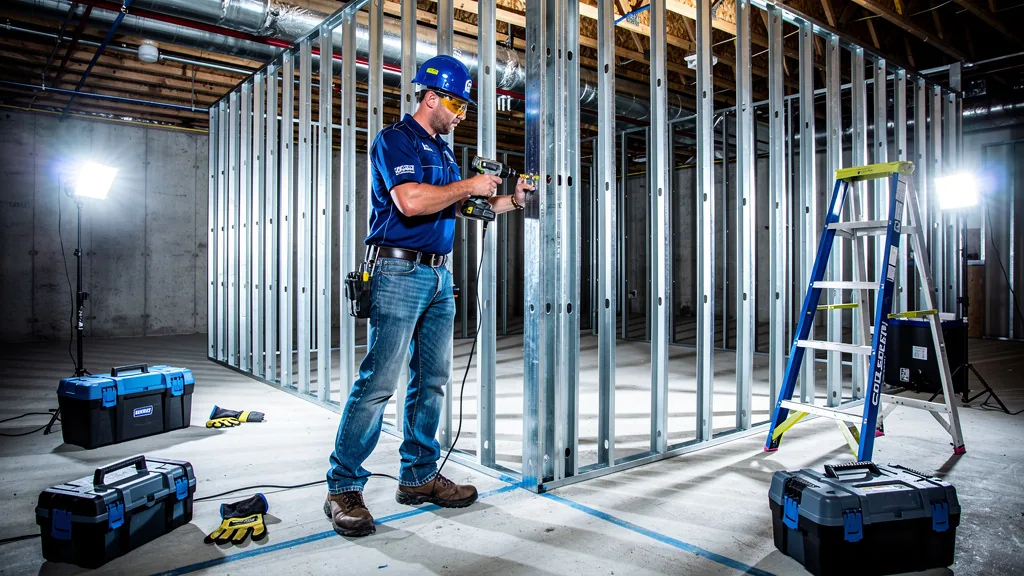
Step 1: Frame the Walls
Use pressure-treated bottom plates — standard wood rots from concrete moisture wicking. Build walls on the floor, then tilt them up. Keep framing 1/2 inch away from exterior walls to allow air circulation.
Don’t attach framing directly to foundation walls. The slight gap prevents moisture transfer and gives you space for insulation. Use a laser level to keep the top plates straight. Basement floors are rarely perfectly level, so cut studs individually if needed.
Step 2: Install Electrical and Plumbing Rough-Ins
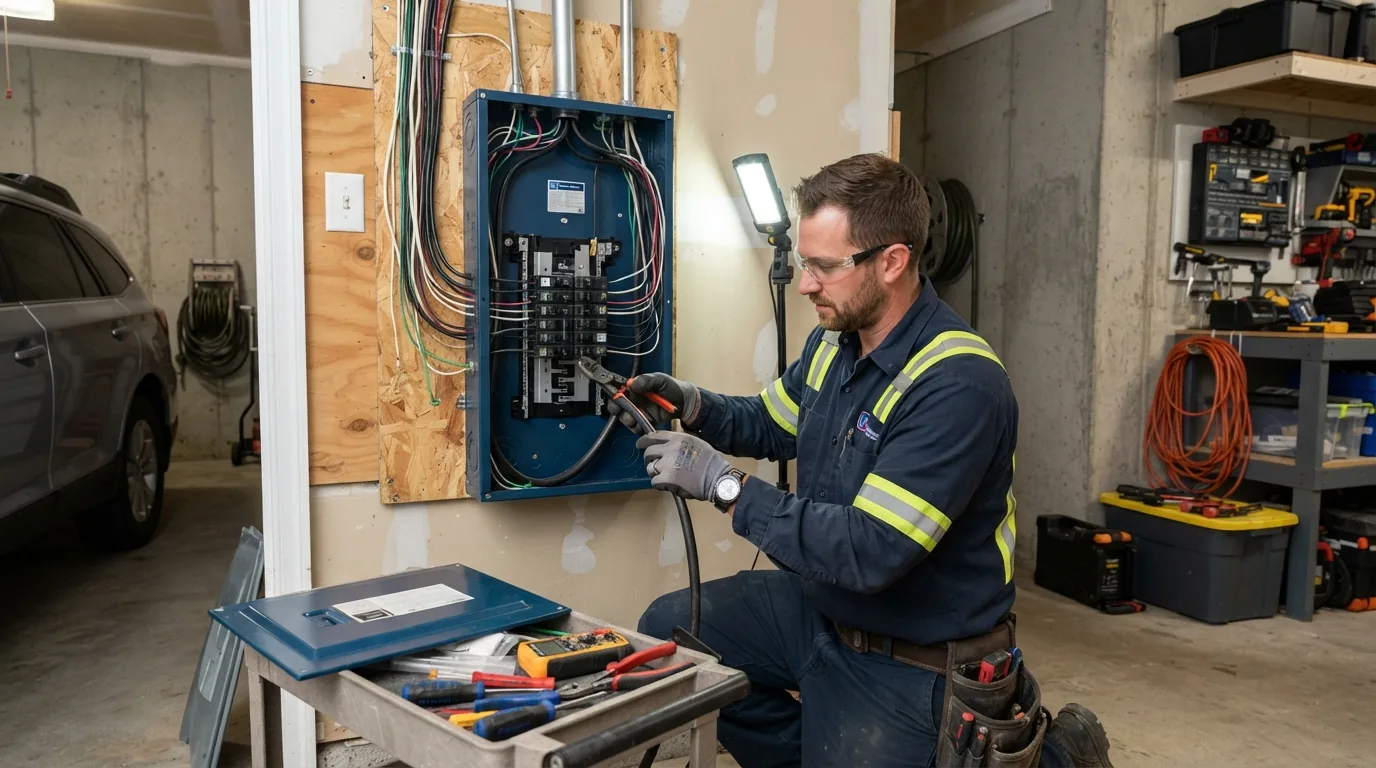
This is where permits matter. In New Jersey, electrical and plumbing work in finished basements must be permitted and inspected. Our electrical services in Oakhurst include basement rough-ins that pass inspection the first time.
Plan for:
- Outlets every 12 feet along walls, plus one within 6 feet of each door
- Dedicated 20-amp circuits for bathrooms, laundry, or kitchenettes
- Hardwired smoke and CO detectors interconnected with upstairs units
- Low-voltage wiring for Ethernet, cable, and security if desired
If you’re adding a bathroom, rough in drains and vent lines before you close walls. Moving a toilet drain after framing is a $2,000+ mistake.
Step 3: Insulate Properly
NJ is in climate zone 4. Basement walls need R-10 continuous insulation or R-13 cavity insulation. Rigid foam board against the foundation wall is the best approach. It doesn’t absorb moisture and provides a thermal break.
Avoid fiberglass batts against concrete. They trap moisture and grow mold. If you use batt insulation, it goes in the stud cavities after the rigid foam layer, not against the foundation.
Step 4: Hang Drywall and Paint
Use moisture-resistant drywall (green board or purple board) on walls. Standard drywall works on ceilings. Hang drywall horizontally on walls — it creates fewer seams and a cleaner look.
Mud, tape, and sand joints to a Level 4 finish for painted walls. Level 5 (skim coat over the entire surface) is better if you’re using dark paint. It’s also best if you have raking light from windows.
For paint, use mildew-resistant primer and semi-gloss or satin finish. Flat paint in a basement is a mistake — it shows every scuff and doesn’t resist moisture.
Step 5: Install Flooring
Never install solid hardwood directly on concrete. The moisture differential warps boards within months. Good basement flooring options:
| Flooring Type | Cost Per Sq Ft | Best For |
|---|---|---|
| Luxury vinyl plank (LVP) | $3–$7 | Looks like wood, 100% waterproof |
| Engineered hardwood | $6–$12 | Warmer look, more stable than solid |
| Ceramic or porcelain***tile*** | $5–$10 | Bathrooms, laundry areas |
| Carpet with moisture barrier pad | $3–$6 | Bedrooms, playrooms |
| Epoxy coating (concrete) | $3–$8 | Workshops, utility areas |
Our flooring team in Oakhurst installs LVP and tile in basements regularly. LVP is the sweet spot for most Monmouth County homeowners. It looks high-end, handles moisture, and installs over minor floor imperfections.
Step 6: Trim, Doors, and Final Details
Pre-hung doors simplify installation. Use solid-core doors for bedrooms and bathrooms; they block sound better than hollow-core. Baseboard and casing are carpentry details that should use moisture-resistant MDF or PVC in basements.
Install door hardware, outlet covers, and switch plates. Test every light, outlet, and HVAC register. Then schedule your final inspections.
The Costs of Finishing a Basement in NJ
Here’s the realistic math for an 800-square-foot basement in Monmouth County. Professional labor reflects construction wage levels in the NJ region:
| Category | DIY Cost | Pro Cost |
|---|---|---|
| Framing and drywall | $4,000–$6,000 | $8,000–$12,000 |
| Electrical rough-in | $1,500–$3,000 | $3,000–$5,500 |
| Plumbing rough-in (bathroom) | $2,000–$4,000 | $4,000–$7,000 |
| Flooring | $2,400–$5,600 | $4,000–$8,000 |
| Egress window | $3,000–$5,000 | $3,000–$5,000 |
| Permits and inspections | $500–$1,200 | $500–$1,200 |
| Total | $13,400–$24,800 | $22,500–$38,700 |
Add $2,000–$8,000 if moisture remediation is needed. Add $5,000–$15,000 for a full bathroom finish. Kitchenettes or wet bars add $8,000–$20,000, depending on appliances and cabinetry.
A finished basement typically returns 70–75% of its cost at resale. In Monmouth County’s competitive market, that extra bedroom and bathroom matter. It can be the difference between a quick sale and months on the market.
DIY vs. Hiring a Pro: What You Should Actually Handle Yourself
DIY basement finishing saves 30–50% on labor. But some tasks are genuinely dangerous or legally restricted.
Safe for DIY: Framing, insulation, drywall hanging (not mudding), painting, LVP flooring, trim installation.
Hire a pro: Electrical rough-in and panel work, plumbing, drain and vent lines, egress window cutting, HVAC modifications, structural modifications.
In New Jersey, homeowners can pull their own permits and do their own electrical and plumbing. But failing inspection means ripping out finished work to expose what’s behind it. We’ve had Oakhurst homeowners call us after two failed electrical inspections to redo what they started.
The Mistakes That Ruin Basement Finishes
Skipping the moisture test. We said it before, but it bears repeating. That plastic sheet test takes 48 hours. Don’t skip it.
Using wood studs against concrete. Even with a treated bottom plate, moisture wicks up. Use steel studs or keep a gap with foam board behind.
Not enough lighting. Basements need more light than upstairs spaces. Plan for recessed cans every 6–8 feet, plus task lighting in work areas. A dim basement feels like a cave, no matter how nice the flooring is.
Ignoring return air pathways. Basements need a heating and cooling supply. But they also need return air pathways back to the furnace. Blocking returns with walls creates pressure imbalances and cold spots.
Wrong insulation strategy. Fiberglass against concrete is a mold factory. Rigid foam or closed-cell spray foam against the wall, then batt in the cavities if needed.
Making Your Basement Feel Like Home
The best finished basements don’t feel like basements. They feel like natural extensions of the home. Here’s how:
Match trim and door styles to the upstairs. Consistency makes the space feel intentional.
Use warm paint colors. Basements have less natural light. Warm grays, taupes, and soft whites reflect what light you have. Dark colors absorb it and make the space feel smaller.
Add area rugs over hard flooring. LVP is practical, but rugs add warmth and sound absorption. They also define zones in open-concept basement layouts.
Install a bathroom if possible. A basement bedroom without a bathroom is less valuable. Even a half-bath adds significant function and resale value.
At NJ Multiskilled Handyman, we’ve helped Oakhurst homeowners transform damp, dark basements into bright family rooms. We also build guest suites and home offices. From moisture assessment to final trim, we handle the details that make a basement finish last. Call (908) 332-0202 for a free consultation.
Frequently Asked Questions
1. How much does it cost to finish a basement in Monmouth County?
$35–$75 per square foot for professional work. An 800-square-foot basement typically runs $28,000–$60,000, depending on finishes, bathroom additions, and whether moisture remediation is needed first.
2. Do I need a permit to finish my basement in Oakhurst?
Yes. New Jersey requires permits for electrical, plumbing, structural changes, and egress window installation. Ocean Township building officials also require inspections at rough-in and final completion stages. Verify contractor registration before hiring.
3. Can I finish my basement if it has moisture problems?
You can — but you must fix the moisture first. Finishing over active water intrusion guarantees mold, rot, and ruined materials. Budget $2,000–$8,000 for waterproofing before you start the finishing work. Keep this area dry before any framing or flooring begins.
4. What’s the best flooring for a basement in coastal NJ?
Luxury vinyl plank (LVP) is the top choice. It’s 100% waterproof, handles temperature swings, installs over minor floor imperfections, and costs $3–$7 per square foot. Engineered hardwood and tile are also solid options. Avoid solid hardwood and standard carpet pad.