
— Interiors · Tiling
Wall and floor tiling
New tile in a kitchen or bathroom — where the prep work matters more than the tile itself.
— The problem
What usually brings this call in
Most tiling problems that get called in are not about the tile — they are about what was done before the tile went down. Lippage, cracked grout lines, and tiles that sound hollow when tapped almost always trace back to an uneven substrate or the wrong adhesive for the job.
At a glance
- Trade
- Interiors
- Job type
- Tiling
- Usual timeframe
- 2–5 days depending on area and whether waterproofing is involved.
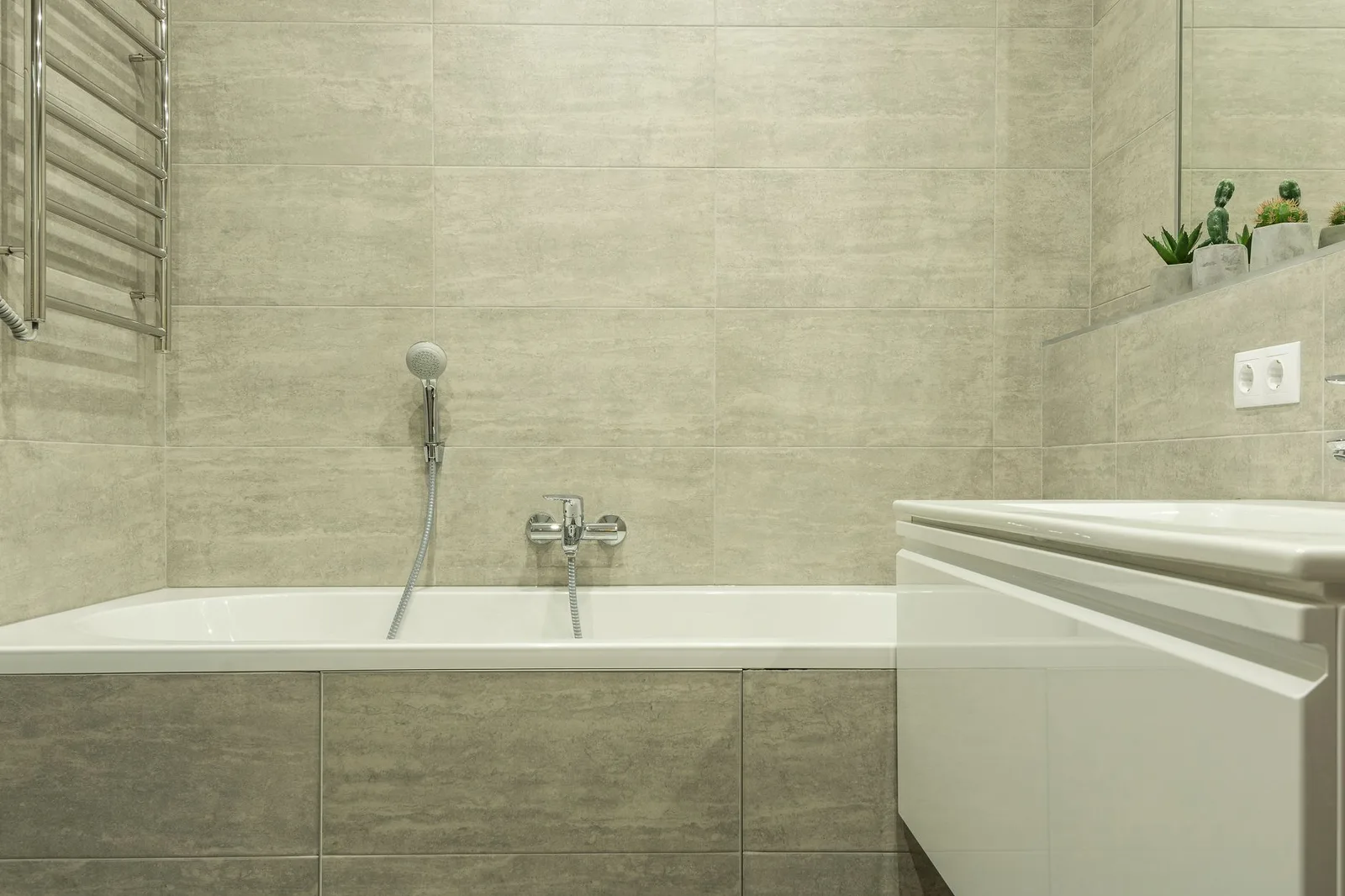
A representative interiors job of this kind — the sort of call that comes in — not a specific customer’s home or address. The photograph is trade stock imagery.
— How a job like this gets fixed
Step by step
- 01
Check the substrate is flat, sound and, in wet areas, properly waterproofed before any tile goes down.
- 02
Set out the pattern dry first, so cuts fall in the least visible places rather than wherever the grid happens to land.
- 03
Use spacers and a level line consistently across the whole run, not just the first few rows.
- 04
Grout once the adhesive has fully cured, not before, and seal grout lines in wet areas.
- 05
Caulk movement joints — where tile meets tub, floor meets wall — rather than grouting them solid.
— The outcome
Where it ends up
A tiled surface that stays flat and sound, with grout lines that do not crack in the first year because the substrate underneath was actually right.
Why it books as one visit
A job of this kind rarely stays inside one trade once it is open. The same crew carries the plumbing, electrical and carpentry, so what turns up behind the wall is dealt with on the same appointment rather than becoming a second call-out on a later date.
— More interiors
Related jobs


— Next step
Have a interiors job like this one?
Describe it on the phone or in the form. Free written estimate, and most jobs are priced without a survey visit first.
Interiors · Tiling