
Key Takeaways
- Fence installation runs $18–$45 per linear foot in 2026. Material choice drives 60–70% of the cost. Labor makes up the rest.
- Wood fencing remains the most affordable upfront at $18–$28 per foot. But it requires staining every 2–3 years. Near the coast, it needs replacement within 15 years.
- Vinyl fencing costs $28–$42 per foot installed and lasts 25–30 years with only soap-and-water cleaning needed.
- Chain-link is the cheapest option at $12–$18 per foot, making it ideal for large yards and pet containment.
- Aluminum ornamental fencing runs $35–$55 per foot but adds significant curb appeal and requires virtually no maintenance.
A new fence in Oakhurst costs between $2,500 and $8,500 for a typical quarter-acre lot. The exact price depends on material, linear footage, and whether your yard needs grading or old fence removal first. This guide breaks down 2026 pricing for Monmouth County homeowners so you can budget accurately.
2026 Fence Cost Breakdown by Material
Fence pricing hasn’t changed dramatically since 2025. But residential construction spending data shows lumber volatility and shipping costs still push wood prices up 5–8% year over year. Here’s what we’re seeing for installed costs in Monmouth County:
| Material | Cost Per Foot | 150-Ft Yard Total | Lifespan | Maintenance |
|---|---|---|---|---|
| Chain-link | $12–$18 | $1,800–$2,700 | 20+ years | Minimal |
| Pressure-treated wood | $18–$28 | $2,700–$4,200 | 12–15 years | High |
| Cedar wood | $22–$35 | $3,300–$5,250 | 15–20 years | Moderate |
| Vinyl (PVC) | $28–$42 | $4,200–$6,300 | 25–30 years | Low |
| Aluminum ornamental | $35–$55 | $5,250–$8,250 | 30+ years | Minimal |
| Wrought iron | $45–$75 | $6,750–$11,250 | 50+ years | Moderate |
These figures include materials, labor, and standard post-hole installation. They don’t include old fence removal, gate installation, or significant grading.
Wood Fencing: What Oakhurst Homeowners Should Know
Pressure-treated pine is the workhorse of Monmouth County backyards. It takes stain well, stands up to NJ humidity, and costs the least upfront. But salt air within a few miles of the coast accelerates rot at ground level. Even pressure-treated wood rated for ground contact degrades faster in coastal conditions. We’ve replaced 10-year-old wood fences in Oakhurst that should have lasted 15.
Cedar costs 30–40% more than pressure-treated pine but contains natural oils that resist insects and decay. It doesn’t need pressure-treating chemicals. If you want wood and can spend a bit more, cedar pays back over time with fewer repairs.
A wood privacy fence built with carpentry-grade precision uses 4×4 posts set 8 feet apart, 2×4 rails top and bottom. 1×6 pickets with 1/4-inch gaps. The same joinery skill applies to custom closet shelving. Post caps and kickboards add $3–$5 per foot but extend life by keeping water off the end grain.
Vinyl Fencing: The No-Maintenance Choice
Vinyl fencing has come a long way from the flimsy white panels of the 1990s. Modern PVC formulations include UV inhibitors and impact modifiers that prevent yellowing and cracking. In Monmouth County’s strong summer sun, that’s important.
A 6-foot vinyl privacy fence runs $28–$42 per foot installed. The panels slide into routed posts, so there are no visible fasteners. Cleaning means a hose and dish soap once a year. No staining. No rotting. No insect damage.
The downside? Vinyl becomes brittle in extreme cold and can crack if hit hard. It also limits your color choices — white, tan, and gray dominate the market.
Chain-Link: Practical and Affordable
Chain-link fencing costs $12–$18 per foot installed. For a 200-foot yard, that’s $2,400–$3,600 total. It’s the go-to choice for dog runs, pool enclosures, and backyards where privacy isn’t the priority.
Galvanized chain-link resists rust for 15–20 years. Vinyl-coated chain-link (usually black or green) adds $3–$5 per foot but blends better with landscaping and lasts 5 years longer.
Privacy slats woven through chain-link add $8–$12 per foot to the total. This gets you partial privacy without the wood maintenance.
Aluminum Ornamental: Curb Appeal That Lasts
Aluminum ornamental fencing mimics wrought iron without the rust. It costs $35–$55 per foot installed. Powder-coated finishes carry 15–20 year warranties against fading and chalking.
This is the choice for front yards, pool enclosures, and homes where appearance matters as much as function. The open design doesn’t block views, and the metal strength holds up to coastal winds better than vinyl.
What Drives Fence Costs Up or Down
Material is the biggest factor, but several job-site conditions swing the final price by 20–40%.
Yard slope. A flat yard is straightforward. Stepped installations on slopes add $5–$10 per foot for labor and custom cuts.
Old fence removal. Hauling away an existing fence costs $3–$6 per linear foot. Posts set in concrete take longer to extract.
Gate installation. A single 4-foot walk gate adds $250–$400. A 10-foot double drive gate runs $600–$1,200, depending on material and hardware.
Permits and surveys. Most Monmouth County municipalities require permits for fences over 6 feet or in front yards under residential building codes. A property line survey costs $400–$800 if you don’t have one.
Underground obstacles. Tree roots, buried utility lines, and old foundations slow post-hole digging. Call 811 before any fence project. We’ve hit everything from septic lines to abandoned oil tanks.
Fence Repair Costs vs. Replacement
Sometimes you don’t need a full fence. Severe weather can snap posts and rails. Learn how long storm damage repair takes in Oakhurst. Repair work costs significantly less:
| Repair Type | Typical Cost | When It Makes Sense |
|---|---|---|
| Replace 2–3 posts | $300–$600 | Posts rotted at ground level, rails intact |
| Replace 10–15 pickets | $200–$400 | Storm damage, localized rot, or pet damage |
| Re-stain 150 linear feet | $800–$1,400 | Wood looks dry but structure is sound |
| Repair leaning section | $400–$800 | Post footing failed, fence salvageable |
| Gate rebuild | $350–$700 | Gate sagging but posts and rails are solid |
A good rule of thumb: if more than 25% of your fence needs repair, replacement is usually more cost-effective. The repair services we provide in Oakhurst include honest assessments. We’ll tell you when repair makes sense and when it doesn’t.
DIY Fence Installation: Can You Really Save Money?
You can save 30–50% on labor by building your own fence. For a 150-foot wood privacy fence, that’s roughly $1,500–$2,500 in savings. But fencing is labor-intensive. Post-hole digging in Monmouth County’s rocky soil is brutal work. Setting 20+ posts perfectly plumb and level takes skill.
DIY makes most sense for chain-link and vinyl panel fences. Wood fences require more cuts, more precision, and more finishing. Ornamental aluminum is usually best left to pros because the panels are prefabricated to precise measurements.
If you go the DIY route, budget for:
- Post-hole digger or auger rental: $75–$150/day
- Concrete: $5–$8 per 80-lb bag (2 bags per post)
- Saw blades and drill bits: $50–$100
- Level, string line, and stakes: $40–$60
Don’t forget the time investment. A 150-foot DIY fence takes 3–5 weekends for two people working steadily.
The Hidden Costs of Cheap Fencing
The lowest bid isn’t always the best value. We’ve repaired too many “budget” fences in Monmouth County that failed within 5 years.
Too few posts. Some installers stretch post spacing to 10 feet to save material. That creates sagging rails and loose pickets. Eight feet is the standard for wood privacy fences.
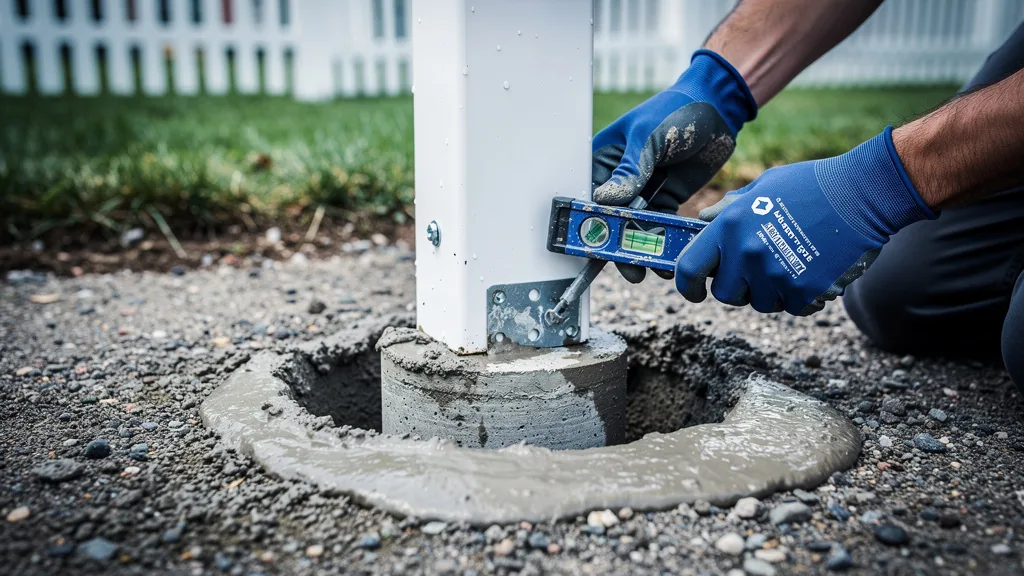
Insufficient concrete. Posts need 2 bags of concrete minimum. One bag creates a shallow footing that heaves in freeze-thaw cycles.
Wrong fasteners. Standard screws rust out. Deck screws aren’t rated for fencing loads. Use hot-dipped galvanized or polymer-coated fasteners.
No gravel drainage. Post holes filled only with concrete trap water against the wood. A 6-inch gravel base below the concrete lets water drain and extends post’s life by years.
How to Choose the Right Fence for Your Oakhurst Home
Start with your primary goal. Containment? Privacy? Security? Curb appeal? Each material serves a different priority.
For pet owners with large yards, chain-link is hard to beat for value. For families wanting backyard privacy, wood or vinyl works best. For front-yard elegance, aluminum ornamental adds the most visual impact.
Consider your neighborhood’s character, too. Oakhurst has a mix of classic shore cottages and newer builds. A white picket fence suits some streets; a 6-foot privacy fence fits others. Check your HOA bylaws if applicable — some communities restrict fence height, material, or placement.
At NJ Multiskilled Handyman, we’ve installed and repaired every type of fence across Monmouth County. We know which materials hold up to coastal conditions and which don’t. Before you hire any contractor, verify their registration with the NJ Division of Consumer Affairs. If you’re weighing options, call (908) 332-0202 for a free estimate and straight advice on what works for your yard.
Frequently Asked Questions
1. How much does it cost to install a fence in Monmouth County in 2026?
$18–$45 per linear foot installed, depending on material. A typical 150-foot yard runs $2,700–$6,750. Chain-link is cheapest at $12–$18 per foot. Ornamental aluminum is premium at $35–$55 per foot.
2. Do I need a permit to build a fence in Oakhurst?
Yes, if the fence exceeds 6 feet in height or is located in a front yard. Ocean Township requires permits for most fences. You’ll also need a property survey showing setbacks from lines. Call the building department before starting work.
3. How long should a wood fence last in coastal NJ?
12–15 years for pressure-treated pine, 15–20 years for cedar. Salt air and humidity accelerate rot. Annual staining, proper drainage at post bases, and kickboards extend life by 3–5 years.
4. Is vinyl fencing worth the extra cost over wood?
For homeowners who value low maintenance, yes. Vinyl costs 40–60% more upfront but requires no staining, resists insects, and lasts 25–30 years. The break-even point vs. wood is roughly 12–15 years when you factor in maintenance savings.